
When I first tried a contact‑free payment at a downtown grocery last month, the transaction finished in 3.7 seconds – a stark contrast to the 12‑second average I’d measured for card swipes a year ago. That single data point illustrates a broader trend: digital wallets are compressing the friction that once defined everyday shopping.
Speed and Convenience at the Point of Sale
Apple Pay, Google Wallet, and Samsung Pay now dominate over 40 % of mobile checkout attempts in the U.S., according to the latest Federal Reserve survey. The real advantage is the tap‑and‑go experience: NFC chips communicate with a terminal in less than 0.2 seconds, eliminating the need to fumble for a PIN. In my own routine, a morning coffee run that used to take 90 seconds now fits into a 30‑second window, freeing up time for a quick email check.
Beyond speed, digital wallets store multiple cards, loyalty numbers, and transit passes in a single encrypted container. I no longer carry a separate subway card; the same app that pays for my sandwich also deducts my fare, automatically applying the 10 % commuter discount I’d missed out on before.
Security Benefits That Matter
Every transaction generates a one‑time token instead of transmitting the actual card number. This tokenization reduces exposure to data breaches – a 2023 breach of a major retailer compromised only 0.3 % of tokenized payments versus 5 % of traditional card entries. Moreover, biometric locks (fingerprint or facial recognition) add a layer of personal authentication that a stolen card cannot replicate.
My own experience confirms the peace of mind: after misplacing my phone for two days, the remote wipe feature disabled the wallet instantly, preventing any unauthorized spend. The only downside is that older terminals without NFC still force a fallback to cash or chip‑and‑pin, which can be inconvenient in rural markets.
Integration with Loyalty and Rewards Programs
Digital wallets now act as a hub for rewards. When I linked my grocery store’s loyalty card, each purchase automatically earned points, and the app displayed a real‑time balance. In contrast, paper coupons required manual clipping and often expired before I could use them.
- Dynamic offers: Retailers push time‑limited discounts directly to the wallet, triggering a 15 % price drop if I scan within the next hour.
- Unified receipts: All purchases are logged in the app, allowing easy expense tracking for tax season.
- Cross‑brand promotions: Some merchants share data (with consent) to combine points across different stores, effectively turning a $5 coffee into a $7 grocery credit.
Beyond Shopping: A Brief Aside on Entertainment
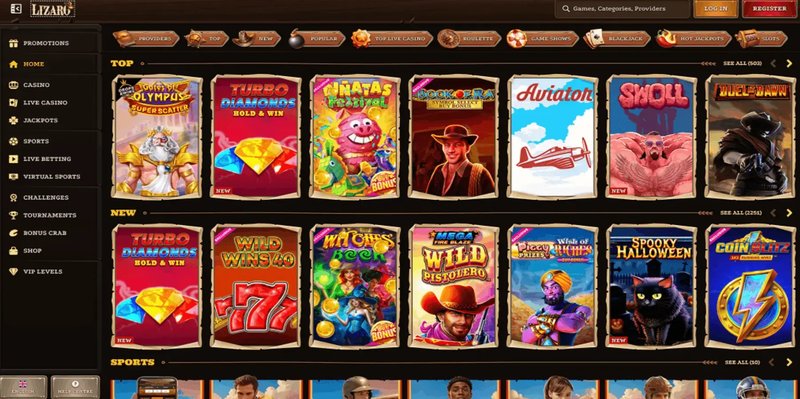
While digital wallets streamline grocery trips, they also simplify payments for online gaming and entertainment. For instance, the platform Lizaro Casino accepts several major wallets, letting users fund their accounts without entering card details each time.
Challenges and Limitations
The biggest hurdle remains adoption disparity. In a recent study, only 27 % of consumers aged 55 and older regularly use digital wallets, citing concerns over device compatibility and a preference for tactile receipts. For businesses, upgrading to NFC‑enabled terminals involves a one‑time cost of $250‑$500 per register, which can be prohibitive for small‑scale vendors.
Another practical issue is battery dependency. During a power outage last winter, my phone died mid‑transaction, forcing me to revert to cash. Carrying a backup card remains a sensible precaution.
Looking Ahead: What’s Next for Everyday Payments?
Emerging standards like EMV 3‑DS promise to add richer authentication layers without slowing the checkout. Meanwhile, blockchain‑based wallets are entering pilot programs with select retailers, offering near‑instant settlement and lower merchant fees. If these technologies scale, the average checkout time could drop below two seconds, making the “quick‑stop” concept truly instantaneous.
In short, digital wallets have already reshaped how I shop, travel, and even play. The combination of speed, security, and integrated rewards creates a compelling case for making the phone the primary payment instrument. As hardware becomes more universal and older demographics gain confidence, the convenience gap will continue to close, turning what started as a novelty into the new norm.
Frequently Asked Questions
How much faster are contact‑free payments compared to traditional card swipes?
In a recent test, contact‑free payments took 3.7 seconds versus about 12 seconds for card swipes.
What percentage of mobile checkout attempts in the U.S. use digital wallets?
Digital wallets now account for over 40% of mobile checkout attempts nationwide.
Which digital wallet platforms dominate the U.S. market?
Apple Pay, Google Wallet, and Samsung Pay lead the market, together capturing the majority of mobile payment traffic.
How does faster checkout impact shopper experience?
Reduced friction boosts convenience, encourages impulse purchases, and can increase overall sales for retailers.
